
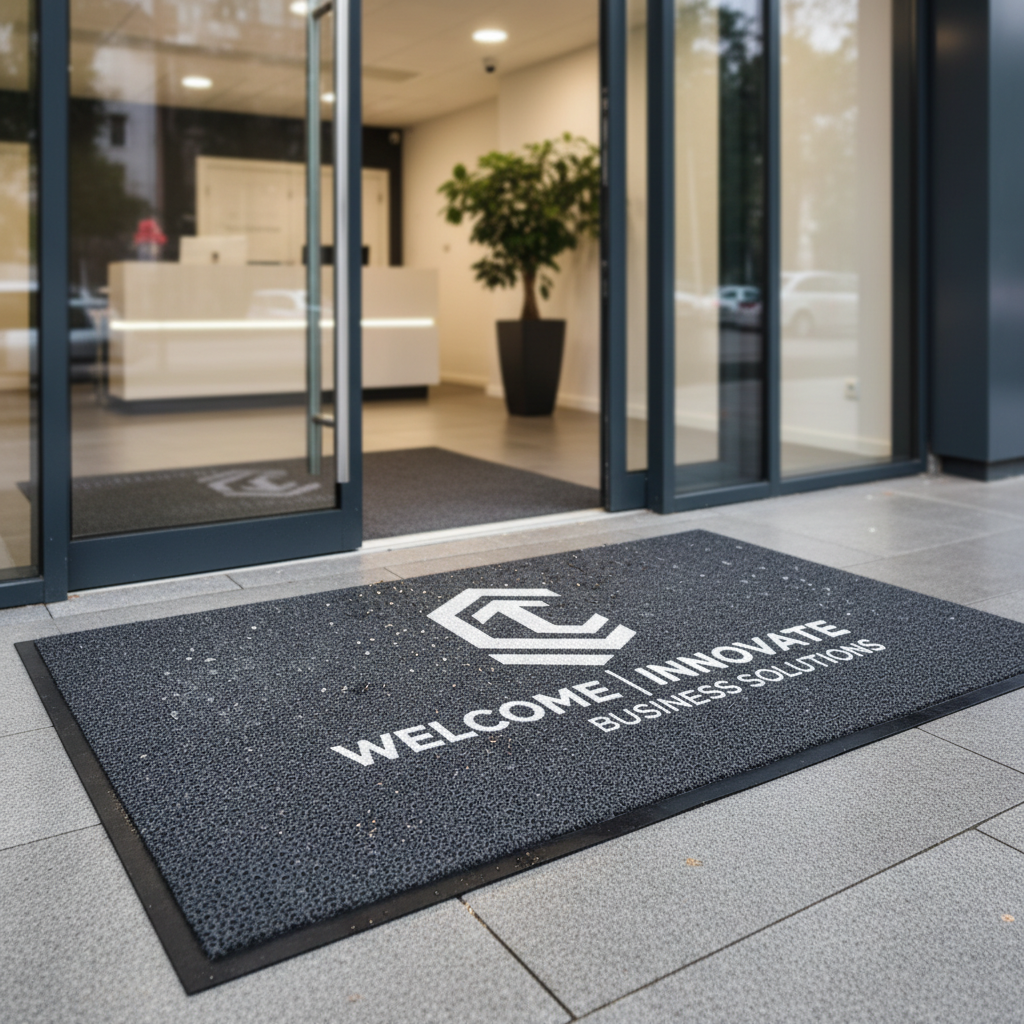
A door mat is your property’s first impression and its first line of defence against dirt, moisture, and grime. But not all mats are created equal. Choosing the right door mat material is crucial for ensuring safety, cleanliness, and durability, whether for a busy commercial entrance or a cosy home doorway. The wrong material can quickly degrade, become a slip hazard, or simply fail to keep your floors clean.
This comprehensive guide will walk you through the most common door mat materials, helping you understand their unique properties so you can make an informed decision for your specific needs.
Why the Material of Your Door Mat is So Important
The material of an entrance mat directly impacts its performance and longevity. According to the UK’s Health and Safety Executive (HSE), slips, trips, and falls are the most common cause of major injuries in UK workplaces. A significant portion of these incidents can be attributed to wet or contaminated floor surfaces. The right matting is a critical control measure.
Here’s what you need to consider:
- Functionality: Does the mat need to scrape coarse mud and debris, or absorb water and fine dust? Some materials excel at scraping, while others are designed for wiping.
- Durability: The material must withstand the level of foot traffic at its intended location. A high-traffic commercial lobby requires a far more robust material than a single-family home.
- Safety: A good mat should have a non-slip backing to stay firmly in place and a surface that provides adequate grip, even when wet.
- Location: Is the mat for indoor or outdoor use? Outdoor mats need to be weather-resistant, while indoor mats focus more on absorbency and appearance.
A Breakdown of Common Door Mat Materials
Let’s explore the pros, cons, and best uses for the most popular materials on the market.
Coir (Coconut Fibre): The Natural Scraper
Coir is a classic material derived from the husks of coconuts. Its stiff, coarse fibres make it one of the most effective materials for scraping thick mud, sand, and dirt from footwear.
- Pros: Excellent scraping ability, strong and durable, eco-friendly and biodegradable, has a traditional aesthetic.
- Cons: Tends to shed fibres, can become waterlogged and prone to mildew if not in a covered area, and is not ideal for absorbing water.
- Best For: Outdoor use in covered or semi-covered areas where scraping heavy debris is the primary goal.
Rubber: The All-Weather Champion
Available as new or recycled material, rubber is a top choice for durability and resilience, especially in demanding environments. It’s often used for heavy-duty outdoor scraper mats or anti-fatigue mats.
- Pros: Extremely durable and weather-resistant, provides excellent grip and anti-slip properties, easy to clean.
- Cons: Can be heavy, primarily functional rather than decorative, and has limited water absorption.
- Best For: High-traffic outdoor entrances, industrial workplaces, commercial kitchens, and any area where slip resistance is paramount. Explore a range of heavy-duty options at Specialist Mats.
Nylon: The Absorbent and Brandable Powerhouse
Nylon is a synthetic fibre renowned for its exceptional water absorption and “crush resistance.” Its fibres spring back into shape under heavy foot traffic, maintaining their effectiveness and appearance over time. It also holds colour extremely well, making it the perfect canvas for branding.
- Pros: Superior water absorption, high durability, excellent print quality for logos and designs, stain and fade-resistant.
- Cons: More expensive than other synthetics, less effective at scraping coarse debris.
- Best For: Indoor commercial entrances, reception areas, and lobbies where making a great first impression is key. For custom branding, high-quality logo mats are an unbeatable choice.
Polypropylene: The Versatile Synthetic
Polypropylene is another popular synthetic fibre known for its stain resistance and quick-drying properties. It’s a cost-effective alternative to nylon that performs well in a variety of settings.
- Pros: Highly stain-resistant, quick-drying, mould and mildew resistant, affordable.
- Cons: Less crush-resistant than nylon, can show wear patterns in very high-traffic areas.
- Best For: Indoor and outdoor use in medium-traffic areas. It’s a great all-rounder for small businesses, schools, and homes.
Cotton & Microfibre: The Indoor Dust Magnet
Cotton and microfibre mats are champions of absorbency. They are designed to trap fine dust and soak up the last bits of moisture from shoes after they’ve been scraped clean by an outdoor mat.
- Pros: Exceptional absorbency for water and fine dust, soft texture, often machine washable.
- Cons: Low durability under heavy traffic, not suitable for outdoor use, poor scraping ability.
- Best For: Secondary indoor mats, low-traffic residential entrances, kitchens, and bathrooms.
The Dual-Mat System: The Ultimate Solution
For maximum floor protection, experts recommend a dual-mat or “zonal” system. This involves using two different mats in succession:
- The Outdoor Scraper Mat: Place a durable, weather-resistant mat like rubber or coir outside the entrance to remove heavy dirt, mud, and grit.
- The Indoor Wiper Mat: Place an absorbent mat like nylon or polypropylene inside to capture any remaining moisture and fine dust. This is where you can showcase your brand with a visually appealing design.
Implementing this system can stop up to 90% of dirt and moisture from being tracked into your building, significantly reducing cleaning costs and prolonging the life of your interior flooring. Find the perfect combination for your entrance at IdealMats.
Considerations for Commercial & Industrial Spaces
Choosing a mat for a business involves extra considerations. High footfall, rolling loads, and specific industry regulations demand high-performance materials. For businesses operating across Europe, finding a reliable supplier is key. Premier Logo Mats offers specialised solutions for commercial branding and safety needs.
Look for features like:
- High-Traffic Rating: Ensure the material is rated for commercial use.
- Bevelled Edges: Rubber-edged mats reduce the risk of trips.
- Branding Capabilities: Turn a functional mat into a marketing tool with crisp, vibrant logo printing. For bespoke designs, consider the options from Specialist Logo Mats.
Conclusion: Make an Informed Choice
The material of your door mat is the foundation of its effectiveness. By matching the material to the location, traffic level, and primary function—whether scraping or absorbing—you invest in a solution that enhances safety, maintains cleanliness, and protects your floors for years to come. From the natural scraping power of coir to the brand-enhancing durability of nylon, the perfect material for your entrance is out there.
