
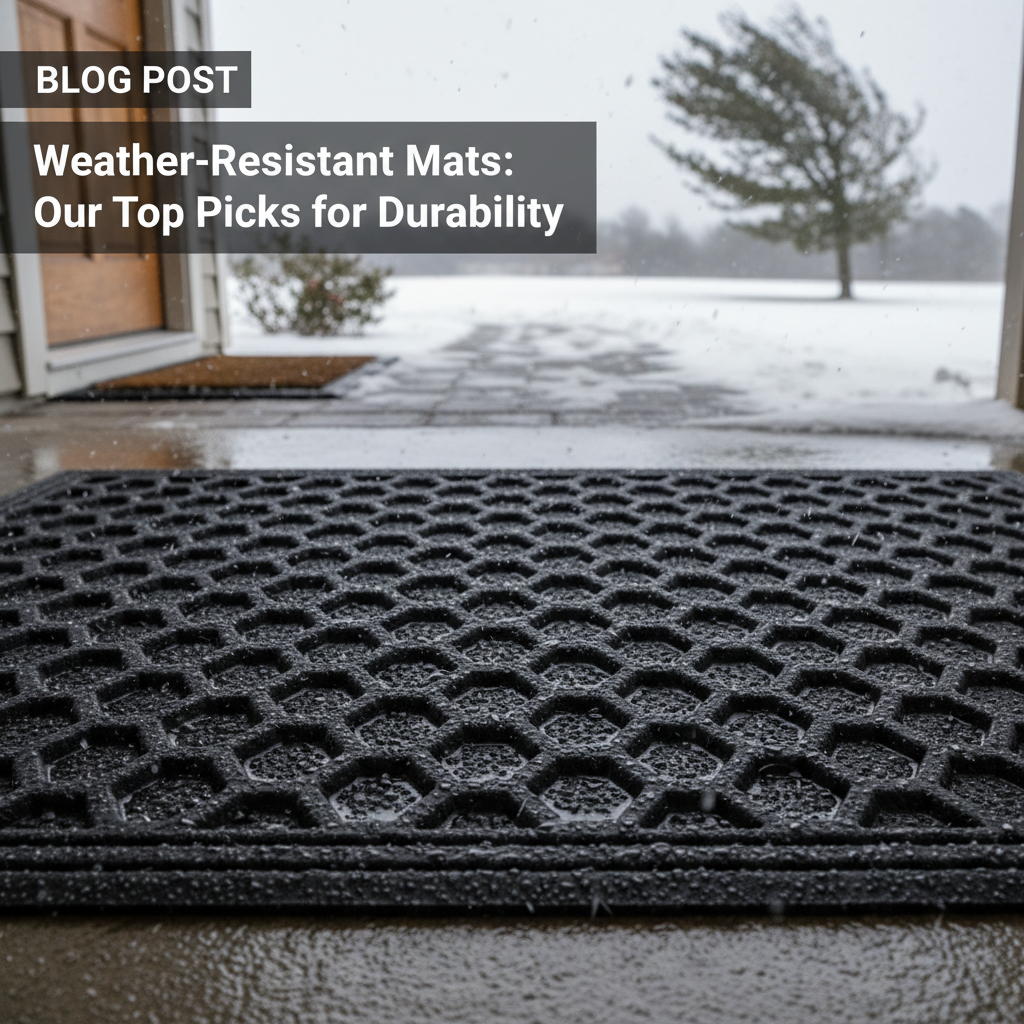
The first impression a visitor gets of your business or home often begins before they even step inside. For commercial properties, this impression can significantly influence a customer’s perception, while for residences, it speaks volumes about care and attention to detail. A critical component of this initial welcome, especially in areas exposed to the elements, is the outdoor entrance mat. But not just any mat will do; you need a mat designed to stand up to Mother Nature: a weather-resistant outdoor entrance mat.
From torrential rain and heavy snow to scorching sun and abrasive winds, outdoor environments can be brutal on ordinary mats. Investing in weather-resistant solutions ensures safety, cleanliness, and a professional aesthetic, regardless of the forecast. Let’s delve into why these mats are essential and what makes them a superior choice for any entrance.
Why Weather-Resistant Mats Are a Must-Have
The primary role of any entrance mat is to trap dirt, moisture, and debris before it enters your building. However, outdoor mats face an additional challenge: enduring the weather itself. Weather-resistant mats are specifically engineered to tackle this, offering a multitude of benefits:
-
Enhanced Safety: Preventing Slips and Falls
Rain, snow, and ice can turn any entrance into a hazardous slip-and-fall zone. Weather-resistant mats are designed with excellent traction and often feature drainage capabilities to prevent water accumulation. This significantly reduces the risk of accidents, protecting visitors, employees, and residents alike. According to the National Safety Council, slips, trips, and falls are a major cause of injuries, emphasizing the importance of preventative measures like proper matting.
-
Superior Dirt and Moisture Control
These mats boast robust scraping surfaces that effectively remove mud, grit, and moisture from footwear. Materials are often coarse and durable, ensuring that environmental contaminants are captured at the source, preventing them from being tracked further into your premises. This keeps your indoor flooring cleaner and reduces maintenance costs.
-
Longevity and Durability
Unlike standard mats that can degrade quickly when exposed to harsh weather, weather-resistant options are built to last. They resist fading, cracking, and deterioration caused by UV rays, extreme temperatures, and moisture. This longevity means fewer replacements, offering a better return on investment.
-
Maintaining a Professional Appearance
A worn-out, discolored, or disintegrating mat detracts from your property’s aesthetic. Weather-resistant mats maintain their appearance over time, ensuring your entrance always looks welcoming and professional. This is particularly crucial for businesses where first impressions directly impact customer perception and branding. For custom branding solutions, consider options from Logo Mats or Premier Logo Mats.
Key Features to Look for in Weather-Resistant Mats
When selecting an outdoor mat, consider these crucial features that contribute to its weather-resilience and effectiveness:
- Durable Materials: Look for materials like heavy-duty rubber, tough polypropylene, or durable coir that can withstand extreme temperatures, moisture, and heavy foot traffic.
- Effective Drainage: Mats with open construction or raised patterns allow water to drain away, preventing puddling and improving drying times. This is vital for safety and mat longevity.
- Scraping Action: Aggressive scraping surfaces, often with ribbed or cleated designs, are essential for removing dirt, mud, and snow effectively.
- UV Resistance: Exposure to sunlight can cause colors to fade and materials to degrade. UV-resistant mats maintain their vibrancy and structural integrity.
- Anti-Slip Backing: A sturdy, non-slip backing, typically made of rubber, ensures the mat stays firmly in place, even in windy or wet conditions, further enhancing safety.
Types of Weather-Resistant Mats and Their Applications
Different materials and designs cater to various outdoor challenges and aesthetic preferences:
1. Rubber Mats
Rubber is a top choice for outdoor applications due to its inherent durability, flexibility, and resistance to water and temperature fluctuations. Natural and recycled rubber mats are excellent for heavy-duty use. They often feature open designs for drainage and aggressive scraping textures. Ideal for industrial settings, busy commercial entrances, and residential pathways.
2. Polypropylene Mats
Known for its resistance to moisture, mildew, and UV radiation, polypropylene is a synthetic fiber that performs exceptionally well outdoors. These mats are typically solution-dyed, meaning the color is embedded in the fiber, making them highly fade-resistant. They offer good scraping and absorption properties and are popular for commercial entrances, schools, and offices.
3. Coir Mats
Made from natural coconut fibers, coir mats offer a classic, rustic look combined with excellent scraping capabilities. While highly effective at brushing off dirt, traditional coir can absorb moisture. Modern weather-resistant coir mats often feature rubber backings or blends that improve their outdoor performance, making them suitable for sheltered outdoor areas at homes or boutiques. For robust commercial and industrial solutions, check out Specialist Mats and Ideal Mats.
4. Vinyl (PVC) Mats
PVC spaghetti mats or loop pile mats are highly effective at trapping dirt and moisture. Their tangled loop structure allows debris to fall into the mat, keeping the surface clean. They are resistant to weather and easy to clean, making them suitable for both commercial and residential outdoor use, especially in high-traffic areas where heavy scraping is needed. Specialist Logo Mats also offers custom options for various outdoor needs.
Choosing the Right Mat for Your Needs
Consider the following factors to make an informed decision:
- Traffic Volume: High-traffic areas (e.g., shopping malls, factories) require heavy-duty mats like thick rubber or robust polypropylene. Lower-traffic areas (e.g., residential front doors) might benefit from durable coir or thinner rubber options.
- Climate: In areas with heavy rain or snow, prioritize mats with excellent drainage and aggressive scraping features. In sunny climates, UV resistance is paramount.
- Aesthetics: While functionality is key, the mat should also complement your property’s appearance. Many weather-resistant mats come in various colors and designs.
- Specific Contaminants: If you anticipate specific types of debris (e.g., fine sand vs. heavy mud), choose a mat designed to tackle those particular challenges.
Maintenance Tips for Outdoor Entrance Mats
Even the toughest weather-resistant mats benefit from regular care to maintain their effectiveness and extend their lifespan:
- Regular Shaking or Vacuuming: To remove loose dirt and debris.
- Hosing Down: For a deeper clean, most weather-resistant mats can be hosed down with water. Use a mild detergent for stubborn grime.
- Allow to Dry: Ensure mats are thoroughly dry before placing them back, especially if they are placed in an area that doesn’t get much sun, to prevent mildew growth.
- Inspect for Wear: Periodically check for any signs of damage or wear that might compromise the mat’s performance or safety.
Conclusion
Weather-resistant outdoor entrance mats are more than just accessories; they are essential investments for any property. They play a critical role in enhancing safety, maintaining cleanliness, and preserving the aesthetic appeal of your entrance, all while enduring the harshest weather conditions. By choosing the right mat with features like durable materials, effective drainage, and UV resistance, you ensure a welcoming and safe environment for everyone who steps through your door, regardless of the season. Explore a wide range of durable and effective matting solutions for all your commercial, industrial, and residential needs at Ideal Mats.
