
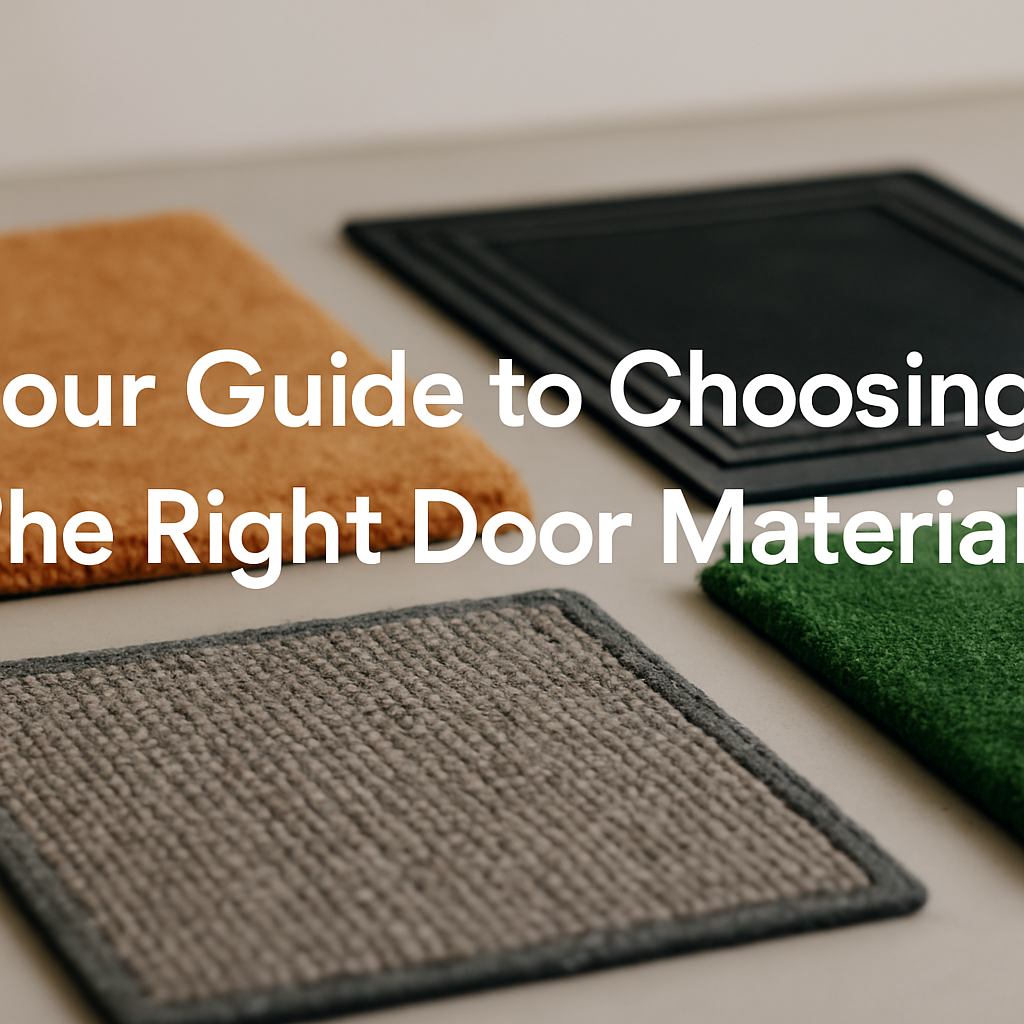
A door mat is your first line of defence against dirt, debris, and moisture. It’s a simple tool that performs a critical job: keeping your indoor spaces clean, safe, and looking their best. But not all mats are created equal. The material a door mat is made from dictates its effectiveness, durability, and suitability for a specific environment. Choosing the wrong one can lead to soggy entrances, ineffective cleaning, and a worn-out appearance in no time.
Whether you’re a facility manager for a high-traffic commercial building or a homeowner looking for the perfect welcome mat, understanding the difference between materials is key. This guide will walk you through the most common door mat materials, helping you make an informed decision for a cleaner, safer space. For a comprehensive look at what’s available, you can always explore the solutions at IdealMats.co.uk.
Why the Right Mat Material Matters More Than You Think
Selecting a door mat based on looks alone is a common mistake. The material’s properties have a direct impact on safety, cleanliness, and long-term value.
- Safety: Slips, trips, and falls are a major concern in both commercial and residential settings. In the UK, the Health and Safety Executive (HSE) identifies them as the most common cause of major workplace injuries. A mat with good grip and moisture-wicking properties, like rubber or high-quality nylon, stays in place and keeps floors dry, significantly reducing risk.
- Cleanliness: An effective entrance matting system can make a dramatic difference. Industry research consistently shows that around 80% of the dirt and moisture in a building is tracked in on shoes. A mat with the right texture and absorbency will trap this at the door, reducing cleaning costs and protecting your interior flooring from damage.
- Durability & Cost-Effectiveness: A cheap mat in a high-traffic area will quickly flatten and fall apart. Investing in a durable material like nylon or heavy-duty rubber means a longer lifespan, better performance, and a lower total cost of ownership over time.
- Aesthetics: The mat is the first and last thing a visitor sees. A quality material maintains its appearance, doesn’t shed excessively, and can even be customized to enhance your brand. For bespoke branding options, exploring logo mats can offer a professional touch.
A Breakdown of Common Door Mat Materials
Let’s dive into the specifics of each material to understand their unique strengths and ideal use cases.
Coir (Coconut Fibre): The Natural Scraper
Coir is a traditional and eco-friendly material derived from coconut husks. Its rough, bristly texture makes it incredibly effective at scraping thick mud and coarse dirt from the bottoms of shoes.
- Pros: Excellent scraping ability, natural and biodegradable, classic rustic aesthetic.
- Cons: Sheds fibres, can become waterlogged and prone to mould if not in a covered area, not ideal for absorbing fine dust or water.
- Best For: Outdoor, covered porches or entryways where the primary goal is removing heavy debris.
Rubber: The Durable Protector
Rubber mats are a workhorse in the world of floor protection. They are exceptionally durable, weather-resistant, and provide outstanding grip on the floor.
- Pros: Highly durable and long-lasting, excellent non-slip properties, great for scraping and containing debris, easy to clean, often made from recycled materials.
- Cons: Can be heavy, primarily functional in appearance (though decorative designs exist).
- Best For: High-traffic outdoor entrances, commercial kitchens, industrial settings, and any area exposed to harsh weather.
Nylon: The High-Traffic Performer
Nylon is a premium synthetic fibre widely regarded as one of the best materials for commercial entrance mats. It offers a superior combination of durability, absorbency, and appearance retention.
- Pros: Exceptional crush resistance (fibres spring back in high traffic), excellent water absorption, holds colour extremely well, outstanding durability.
- Cons: Higher initial cost compared to other materials.
- Best For: High-traffic indoor commercial areas like hotel lobbies, airports, corporate offices, and retail stores. It’s the preferred material for high-quality, vibrant Premier Logo Mats due to its print quality and longevity.
Polypropylene: The Versatile All-Rounder
Polypropylene is another synthetic fibre that offers a great balance of performance and value. It’s known for its stain resistance and quick-drying properties.
- Pros: Highly resistant to stains, mould, and fading; dries quickly; good scraping and absorbing capabilities; budget-friendly.
- Cons: Less crush-resistant than nylon, so it may flatten more quickly in very high-traffic zones.
- Best For: Indoor or outdoor use in moderate-to-high traffic areas in both commercial and residential settings. Many specialist mats use polypropylene for its versatility.
Cotton & Microfiber: The Indoor Absorber
These materials are all about absorption. While they don’t offer the scraping power of coir or rubber, they excel at trapping moisture and fine dust particles that other mats may miss.
- Pros: Extremely high water absorbency, soft texture, often machine washable.
- Cons: Not suitable for scraping coarse dirt, flattens easily, should only be used indoors.
- Best For: As a secondary mat inside the door to catch any remaining moisture, or in areas like kitchens and laundry rooms.
Special Considerations for Commercial & Branded Mats
For a business, an entrance mat is more than just functional; it’s part of the brand experience. A high-quality, clean, and well-designed mat says a lot about your attention to detail. This is where material choice becomes even more critical.
Using a durable, high-performance material like nylon ensures that your entrance looks professional day after day, even under heavy footfall. Furthermore, it presents a prime opportunity for branding. Custom Specialist Logo Mats turn a simple floor mat into a powerful marketing tool, reinforcing your brand identity from the moment a client or customer steps inside.
Conclusion: Making the Ideal Choice
Choosing the right door mat material is a practical decision that balances function, location, and traffic levels. For aggressive outdoor scraping, coir and rubber are top contenders. For high-traffic indoor areas where aesthetics and performance are paramount, nylon is the undisputed champion. For a versatile and cost-effective solution, polypropylene is an excellent choice. Finally, for maximum indoor water absorption, look to cotton or microfiber.
By investing in the right material, you ensure your mat works effectively, lasts longer, and provides a safe, clean, and welcoming entrance. Ready to find the perfect matting solution for your needs? Contact our experts or explore the extensive collection at IdealMats.co.uk today.
