
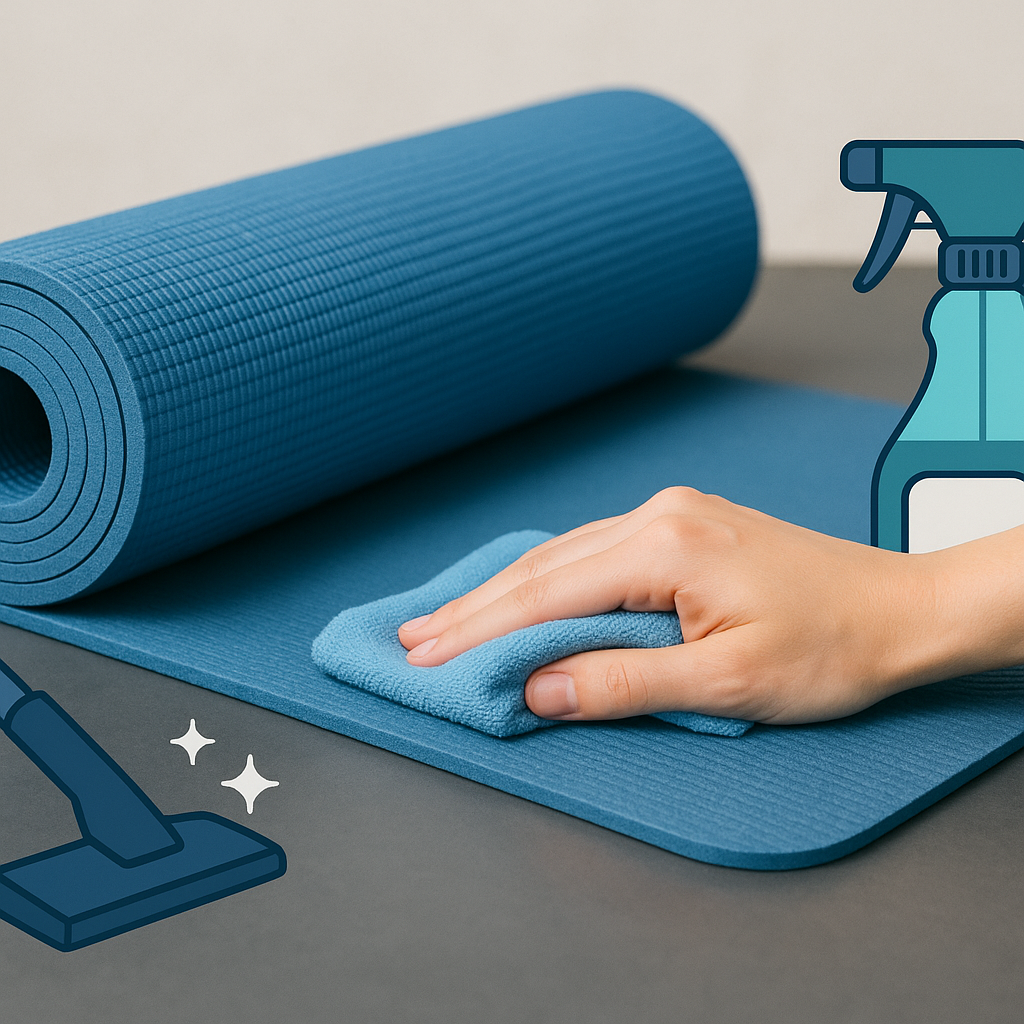
An entrance mat is your first line of defense against dirt, moisture, and debris. It protects your floors, keeps occupants safe, and presents a clean image to visitors. However, a mat is only effective when it’s clean. A dirty, saturated, or worn-out mat can quickly become a hazard, undermining the very purpose it’s meant to serve. This comprehensive guide provides expert advice on cleaning and maintaining your mats to maximize their performance and lifespan.
Why Mat Maintenance is Non-Negotiable
Neglecting mat maintenance isn’t just an aesthetic issue; it has tangible consequences for safety, health, and your budget. The tracked-in dirt and moisture can have far-reaching effects on your facility’s internal environment.
- Safety First: According to the U.S. Bureau of Labor Statistics, slips, trips, and falls are among the leading causes of workplace injuries. A mat with curled edges, worn-out backing, or a saturated surface is a significant trip hazard. Regular maintenance ensures the mat lies flat and performs its function correctly.
- Hygiene and Health: Did you know that the average shoe carries hundreds of thousands of bacteria? A landmark study from the University of Arizona found 421,000 units of bacteria on the outside of shoes. Your mat is the barrier that traps these pathogens. Regular cleaning is essential to prevent your mat from becoming a breeding ground for germs and to improve indoor air quality.
- Protecting Your Assets: The grit and debris tracked indoors act like sandpaper, scratching and dulling your flooring over time. Moisture can warp hardwood floors or stain carpets. A well-maintained mat traps up to 85% of this dirt at the door, preserving your floors and saving you thousands in repair costs.
- Brand Image and First Impressions: For any business, the entrance is the first point of contact with a customer. A pristine, high-quality entrance mat signals professionalism and attention to detail. A filthy, worn-out one does exactly the opposite.

A Mat-by-Mat Cleaning Strategy
Different mats are made from different materials, each requiring a specific cleaning approach. Using the wrong method can damage the mat, reduce its effectiveness, or even void its warranty. Here’s how to clean the most common types of commercial and residential mats.
Carpet-Top & Logo Mats
These are the most common mats for indoor entrances and lobbies. They are excellent for absorbing moisture and trapping fine dust.
- Daily Care: Vacuum thoroughly. A high-suction vacuum with a beater bar is ideal for lifting dirt from the carpet pile. For high-traffic areas, this should be done at least once a day.
- Spot Cleaning: Address spills immediately. Blot the stain with a clean cloth, working from the outside in. Use a gentle, pH-neutral carpet spot cleaner. Always test the cleaner on an inconspicuous area first, especially on vibrant logo mats.
- Deep Cleaning: Depending on traffic, perform a deep clean monthly or quarterly using a hot water extraction machine (carpet cleaner). This process flushes out deeply embedded grime. Ensure the mat is completely dry before placing it back in service to prevent mold and mildew.
Rubber & Scraper Mats
Typically used outdoors or in secondary entryways, these mats are designed to scrape heavy debris like mud, snow, and leaves from shoes.
- Daily Care: Vigorously shake the mat out to dislodge loose dirt and debris. You can also sweep the surface with a stiff-bristled broom.
- Deep Cleaning: For a thorough clean, take the mat outside and hose it down with a high-pressure nozzle or pressure washer on a low setting. Use a mild detergent and a deck brush to scrub away stubborn grime. Hang the mat or prop it against a wall to dry completely on both sides.
Coir (Coconut Fiber) Mats
Coir mats are a popular, eco-friendly choice known for their excellent scraping ability and rustic look. However, they need specific care to prevent shedding and water damage.
- Daily Care: Because coir fibers shed, frequent shaking or beating with the back of a broom is the best way to keep them clean. You can also use a vacuum, but avoid beater bars that can pull out the fibers.
- Deep Cleaning: Coir mats should not be saturated with water, as this can cause them to darken and rot. To clean stains, use a stiff brush with a small amount of water and mild soap. Blot the area dry immediately with a towel. The CDC emphasizes the importance of dry environments to inhibit germ growth.
Anti-Fatigue Mats
Found in industrial, commercial, and even residential settings (like kitchens), these mats are designed for comfort and safety. Keeping them clean is crucial for hygiene and slip prevention.
- Daily Care: Sweep the surface or wipe it down with a damp cloth to remove surface dirt and spills.
- Deep Cleaning: Use a pH-neutral cleaner to mop the mat. For greasy environments, a mild degreaser may be necessary. Avoid harsh chemicals like bleach or ammonia, as they can break down the foam or rubber material and make it brittle.
Your Proactive Maintenance Schedule
Creating a simple, consistent schedule is the key to long-term mat performance. Use this checklist as a starting point and adjust it based on your facility’s traffic and weather conditions.
Daily Checklist
- Visually inspect all mats for trip hazards like curling edges or movement.
- Vacuum all carpeted mats.
- Shake out or sweep all outdoor scraper and coir mats.
Weekly Checklist
- Perform a more thorough vacuuming, including lifting the mat to clean underneath.
- Spot-clean any new stains on carpeted mats.
- Hose down and scrub outdoor rubber mats.
Monthly & Quarterly Checklist
- Perform a deep clean (hot water extraction) on all indoor carpet mats.
- Conduct a detailed inspection of all mats for signs of wear and tear:
- Are the borders cracked or curling?
- Is the backing deteriorating or losing its grip?
- Is the carpet pile crushed and no longer effective?
- If a mat shows significant wear, it’s time to replace it. A worn-out mat is a safety liability.
Invest in Cleanliness, Reap the Rewards
A floor mat is a critical tool in your facility’s safety and maintenance arsenal. By implementing a regular cleaning and maintenance routine, you protect that investment and ensure it continues to provide value. A clean mat enhances safety, promotes hygiene, protects expensive flooring, and elevates your brand image. It’s a small task that delivers a significant return, ensuring your space is safe, clean, and welcoming from the moment someone steps through the door.
